Технические характеристики
[Текст доступен только на английском языке] Year: 2000
Medium: C/C++
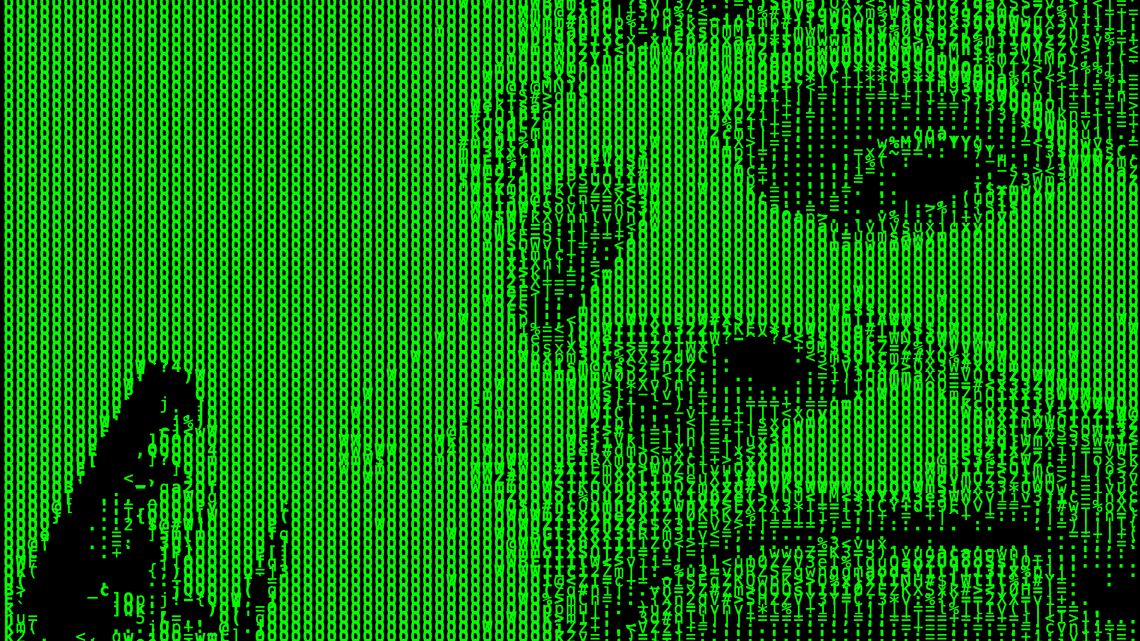
HasciiCam is a free software project created by Jaromil and released in 2000, designed to make live video streaming accessible to GNU/Linux users even with limited computing resources and low-bandwidth internet connections. The software captures a live video signal and translates it in real time into ASCII characters, using variations in character density to reconstruct the original image as a continuously moving field of text.
At a time when transmitting video over the internet required significant bandwidth, dedicated technologies, or proprietary plugins, HasciiCam proposed a radically lightweight alternative. A Linux computer, an inexpensive video capture device and a cheap modem connection were enough to create a live audiovisual presence on the web. The resulting ASCII video could be automatically published as an HTML page and viewed through a standard browser, without Java, plugins, or specialised software. The technical limitations of the early internet thus became the basis for a distinctive visual language.
From the beginning, however, HasciiCam was conceived not only as a technical solution but as an open creative tool. Released as free software, its source code could be accessed, modified and redistributed, allowing artists and developers to adapt it to their own practices. Its immediacy, low technological requirements and unmistakable aesthetic made it particularly suited to the emerging culture of live visuals, VJing, networked performance and experimental media.
Since its first release, HasciiCam has been adopted and reinterpreted by numerous artists in performances, installations and net-based artworks. The camera, computer, network and browser become part of a single real-time creative process in which capturing, transforming, transmitting and displaying an image happen almost simultaneously.
Seen today, HasciiCam represents an early vision of networked moving images based on accessibility rather than technological abundance. By reducing video to one of the most fundamental elements of digital communication — text — it demonstrated that live visual communication could be inexpensive, open and available to anyone with basic hardware and an internet connection, while simultaneously providing a new instrument and aesthetic language for a generation of digital artists and VJs.